Energy Density Across Popular UK Snack Categories
A comprehensive overview of energy density as a concept and how it applies across different snack categories commonly consumed in UK households.
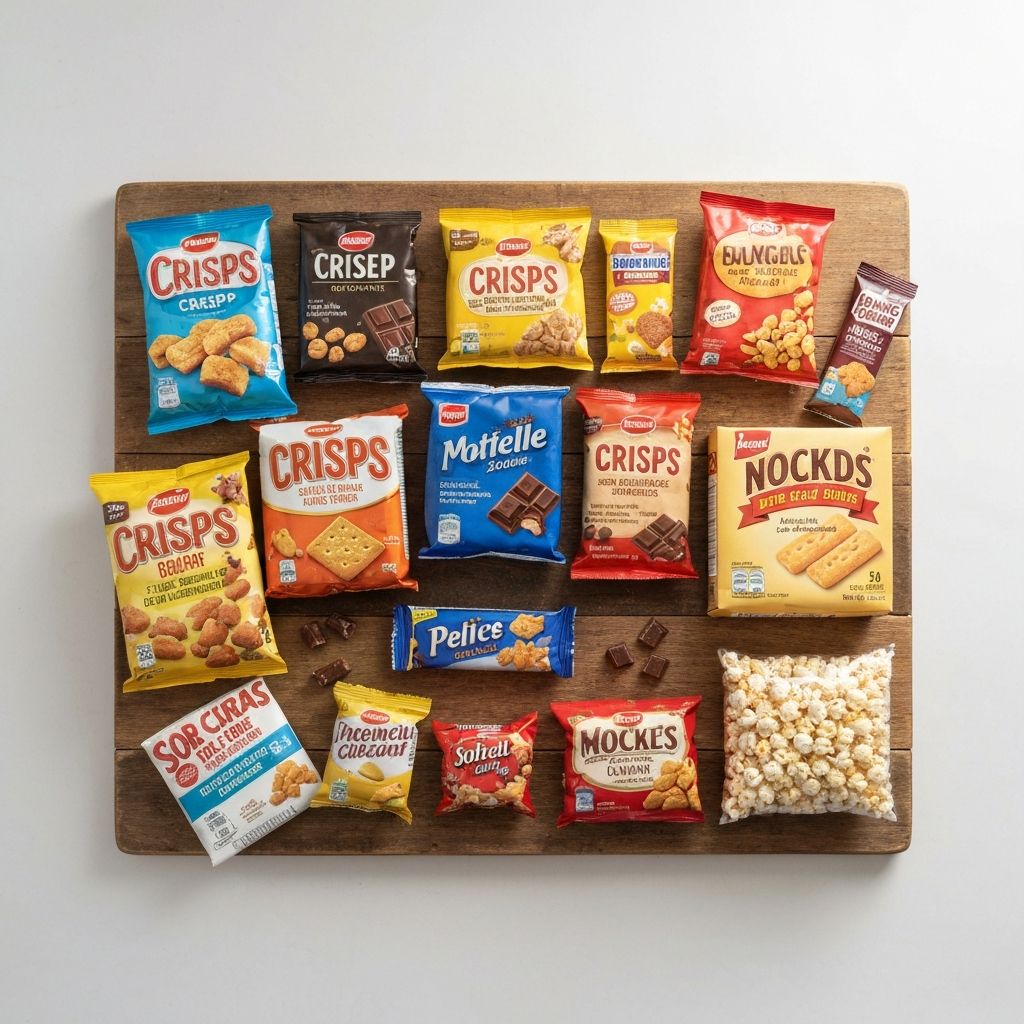
Defining Energy Density
Energy density, also called caloric density, refers to the amount of energy (measured in kilocalories) contained in a given weight of food. It is typically expressed as kilocalories per gram (kcal/g). Understanding energy density provides factual context for comparing how different foods differ in their nutritional composition. This is purely informational and does not predict or promise any outcomes.
The formula is simple:
Energy Density = Total Energy (kcal) ÷ Total Weight (g)
What Influences Energy Density?
Several factors directly influence the energy density of foods:
- Water Content: Water contains zero calories. Foods high in water content (fresh vegetables, fresh fruit) have low energy density. Foods with little water (packaged snacks, oils) have high energy density.
- Fat Content: Fat contains 9 kilocalories per gram. Foods high in fat have very high energy density. This is the main driver of energy density in many packaged snacks.
- Carbohydrate Content: Carbohydrates contain 4 kilocalories per gram. Foods high in refined carbohydrates have moderate-to-high energy density.
- Protein Content: Protein contains 4 kilocalories per gram. Protein contributes to energy density but is often accompanied by other nutrients.
- Fibre Content: Fibre is a carbohydrate but is largely indigestible, contributing minimal energy. Foods high in fibre can have lower effective energy density.
- Processing Level: Food processing removes water and moisture, concentrating other nutrients and increasing energy density. Whole foods typically have higher water content and lower energy density.
Energy Density Categories
Foods can be categorised by their energy density. This is a standard nutritional classification used informational purposes:
| Category | Energy Density (kcal/g) | Example Foods |
|---|---|---|
| Very Low | 0–0.5 kcal/g | Fresh vegetables, fresh fruit, water-based foods, leafy greens |
| Low | 0.5–1.5 kcal/g | Lean proteins, legumes, whole grains, foods with high water content |
| Moderate | 1.5–4.0 kcal/g | Some baked goods, oils, processed foods with moderate fat |
| High | 4.0–9.0 kcal/g | Oils, fats, nuts, seeds, fried snacks |
| Very High | 9.0 kcal/g and above | Pure oils and pure fats |
Common UK Snacks by Energy Density
Below is a comparison of popular UK packaged snacks and alternatives ranked by energy density:
| Food Item | Energy Density (kcal/g) | Category |
|---|---|---|
| Fresh Carrot Sticks | 0.41 | Very Low |
| Fresh Apple Slices | 0.52 | Very Low |
| Fresh Raspberries | 0.52 | Very Low |
| Greek-Style Yoghurt | 0.59 | Very Low |
| Frozen Grapes | 0.67 | Low |
| Plain Popcorn (air-popped) | 3.87 | Moderate |
| Oatcakes | 4.40 | High |
| Digestive Biscuits | 4.71 | High |
| Plain Almonds | 5.79 | High |
| Walkers Crisps | 5.30 | High |
| Cadbury Dairy Milk | 5.35 | High |
| Wrapped Hard Sweets | 3.27 | Moderate |
Whole Food vs Processed Comparison
A clear pattern emerges when comparing whole foods to processed alternatives. Fresh fruits and vegetables have energy densities typically below 1 kcal/g. Packaged snacks usually range from 3–6 kcal/g. This reflects the differences in water content and processing levels. This is purely informational.
Why This Difference Exists
- Whole foods naturally contain high water content, which contributes volume without calories
- Processing removes water, concentrating calories per weight
- Packaged snacks often contain added fats and oils, which are calorie-dense
- The texture and shelf-life requirements of packaged foods drive higher energy density
Energy Density and Satiety
Energy density relates to satiety, or the feeling of fullness, in several ways. However, individual responses to different foods vary widely, and satiety is influenced by many factors beyond just energy density, including:
- Food texture and structure (how long it takes to eat)
- Fibre content
- Protein content
- Individual taste preferences
- Individual digestive responses
- Portion size norms and habits
- Environmental and social factors around eating
Satiety perception is subjective and varies considerably between individuals. This information is presented factually and does not predict outcomes.
Practical Energy Density Context
Understanding energy density provides context for comparing foods factually. For example:
- A single crisp packet (30g) at 5.3 kcal/g contains approximately 159 kilocalories
- A full apple (182g) at 0.52 kcal/g contains approximately 95 kilocalories
- A serving of Greek yoghurt (150g) at 0.59 kcal/g contains approximately 89 kilocalories
- A handful of almonds (28g) at 5.79 kcal/g contains approximately 162 kilocalories
These comparisons are purely informational and help illustrate why portion sizes differ across food categories.
Informational Context
This article presents factual nutritional and scientific information for educational purposes only. Energy density is a standard nutritional concept. Understanding it provides context for comparing foods. However, individual dietary needs vary widely, and this information is not personalised advice. This article does not predict outcomes or provide recommendations. For professional guidance, consult qualified healthcare professionals.